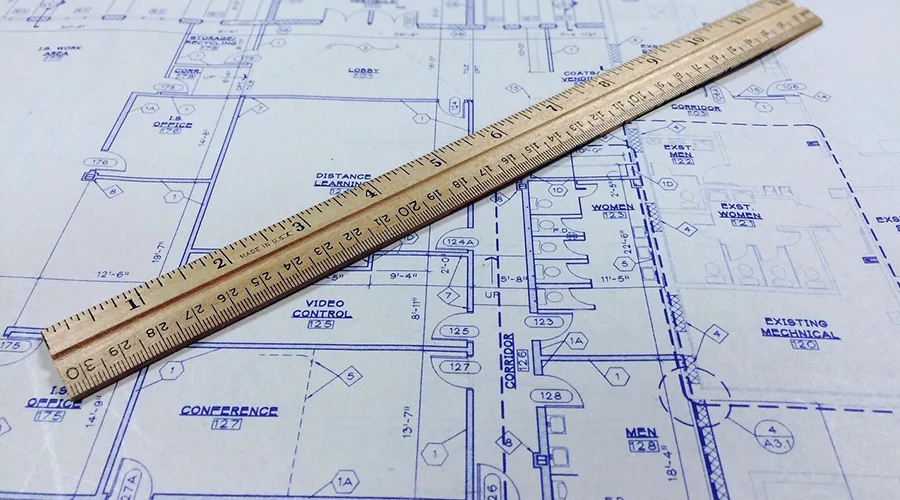
The settlement and legalization of unauthorized constructions refers to the process that allows for the acceptance and legalization of buildings or modifications on properties that do not comply with the applicable building and urban planning permits—that is, those constructed or altered without the required authorization. This process has been established through various laws and regulations in Greece, aiming to correct and incorporate unauthorized structures into the legal framework, while simultaneously imposing fines or other financial obligations on property owners for the legalization of these violations.
The process includes the following steps:
- Recognition of unauthorized construction: The owner must record the unauthorized construction or unauthorized change of use and submit it to the competent engineer for evaluation.
- Submitting an application: The application for legalization is submitted to the competent planning authority or to the platform of the Ministry of Environment and Energy (e.g. Electronic Submission of Applications for the Legalisation of Unauthorised Premises).
- Assessment of the fine: The owner is required to pay the relevant fine for the breach of planning legislation. The fine is calculated on the basis of the size of the unauthorised building, its age, surface area and location.
- Drafting of relevant documents: The engineer draws up the required plans and certificates for legalization, including the details of the unauthorized building, the description of the construction and the assessment of the condition of the property.
- Issue of a certificate of legalisation: If all the conditions are met and the relevant fines are paid, the planning authority issues the certificate of legalisation and the arbitrary building acquires legal status.
- Update of E9 and other declarations: The owner must register the legalization of the arbitrary property in the tax returns and other related entries, such as the E9 form, to update the tax system and avoid problems with the tax authorities.
The legalisation of unauthorised buildings is important for better recording of the owner's property status, avoiding legal problems and reducing tax burdens (e.g. ENFIA). At the same time, it contributes to improving the quality of buildings, as the legalisation process includes a check for compliance with basic safety and environmental regulations.