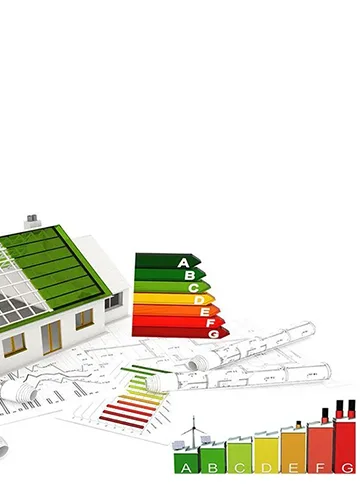
The Energy Performance Certificate (EPC) is an official document issued for every building or part of a building, which records its energy performance, that is, how it consumes energy for heating, cooling, lighting and other needs. The EPC provides an estimate of the building’s energy efficiency and offers suggestions for improving its energy characteristics.
This certificate is mandatory for all properties that are being sold or rented and must be issued by a certified energy inspector.
Key Elements of the EPC:
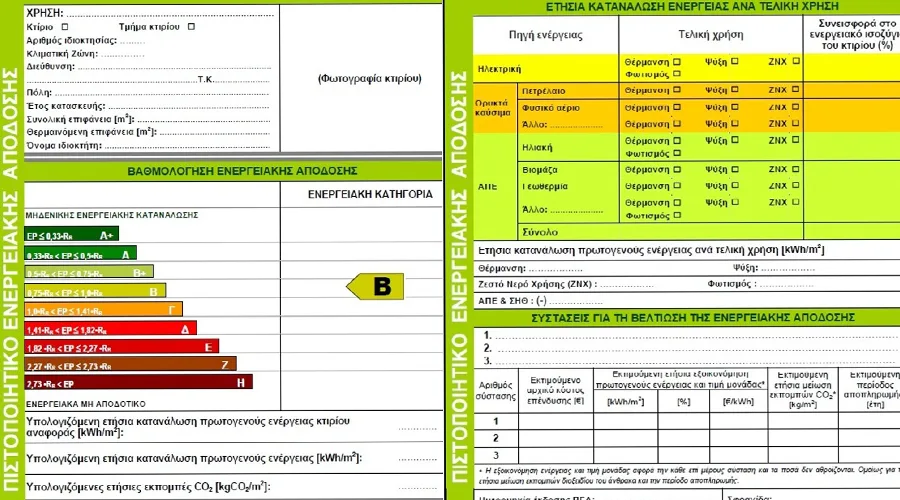
- Energy Classification:
- The EPC assigns the building an energy class from A+ (excellent) to H (low efficiency). The classification is based on energy consumption and the building’s energy requirements.
- High-efficiency buildings—such as those using renewable energy sources or passive design—fall into the top categories (A or A+).
- Energy Performance Index:
- This numerical index indicates the building’s energy consumption (measured in kWh/m²/year). It depends on factors such as insulation, heating/cooling systems, construction materials and the use of renewable energy.
- Improvement Suggestions:
- The EPC typically includes recommendations to improve the building’s energy performance, such as upgrading HVAC systems, enhancing insulation, or installing solar panels.
EPC Requirements and Uses:
- Property Transactions: The EPC is required for buying, selling, or renting any building or unit. The property owner must present the certificate to potential buyers or tenants, ensuring full awareness of the building’s energy efficiency.
- Renovation Projects: An EPC is necessary for conducting renovation or energy upgrade works, ensuring the building complies with current energy regulations.
- Funding Programs: The EPC is required for participation in financial aid programs, such as “Save–Renovate for Youth,” which subsidizes property energy upgrades.
EPC Issuance Process:
The procedure for obtaining the Energy Performance Certificate (EPC) involves
- On-site Inspection: A certified energy inspector visits the property.
- Technical Assessment: They assess the building’s construction features (e.g. insulation, HVAC systems, materials).
- Data Processing: The collected data is entered into specialized software to determine the building’s energy efficiency.
- Certificate Issuance: The EPC is issued, specifying the energy class and including potential improvement measures.
The EPC is valid for 10 years, unless major renovations are made that affect energy performance, in which case a new certificate is required.
The EPC helps property owners, tenants, and buyers better understand a building’s energy use and encourages actions to reduce energy consumption, aiming to lower costs and protect the environment.